The Homeowner’s Guide to Caulking and Sealing

A Complete Guide to Protecting Your Home from Water, Air Leaks, and Damage
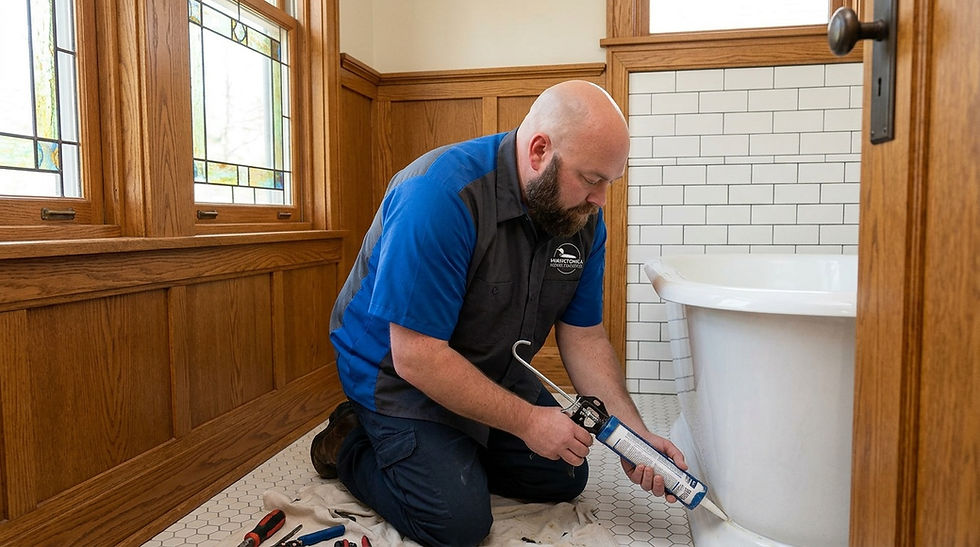
Caulking and sealing are some of the most important—but often overlooked—home maintenance tasks. Small cracks, gaps, and joints around your home allow water, air, and pests to enter if they are not properly sealed. Over time, failing caulk can lead to moisture damage, mold growth, higher energy bills, and deterioration of building materials.
Regular inspection and maintenance of caulking around your home helps protect your property and extend the life of many surfaces. For homeowners in Minnesota, where homes experience dramatic seasonal temperature swings, proper sealing becomes even more important.
This guide explains what caulking does, where it should be used, how often it should be replaced, and when it makes sense to hire a professional.
What Is Home Caulking and Sealing?
Caulk is a flexible sealant used to fill joints, cracks, and gaps between building materials. It creates a waterproof and airtight barrier that prevents moisture, air, and debris from entering small openings.
Common materials sealed with caulk include:
window frames
door frames
siding joints
bathtubs and showers
sinks and countertops
exterior penetrations for pipes or wires
Because these joints naturally expand and contract with temperature changes, caulk must remain flexible to maintain a proper seal.
Why Caulking Is Important for Your Home
Many homeowners don’t think about caulking until problems appear. However, proper sealing plays a major role in protecting a home.
Prevents Water Damage
Water intrusion is one of the most common causes of home damage. Failed caulking around windows, siding, and bathrooms can allow moisture to seep into walls and structures.
Improves Energy Efficiency
Small gaps around doors, windows, and siding allow conditioned air to escape. Proper sealing helps maintain indoor temperatures and reduces heating and cooling costs.
Protects Building Materials
Moisture can cause wood rot, corrosion, and deterioration of building materials. Caulking helps prevent these issues.
Keeps Pests Out
Tiny gaps around exterior penetrations can provide entry points for insects or small rodents.
Common Types of Caulk
Different areas of your home require different types of caulk. Using the correct product ensures the seal will last.
Silicone Caulk
Silicone caulk is highly waterproof and flexible. It is commonly used in bathrooms, kitchens, and areas exposed to frequent moisture.
Acrylic Latex Caulk
Latex caulk is easy to apply and clean up. It is commonly used for interior trim and areas that will be painted.
Exterior Caulk
Exterior sealants are designed to withstand temperature changes, UV exposure, and moisture.
Specialty Sealants
Some projects require specialized sealants designed for masonry, concrete, or siding materials.
Professional installers choose products based on the surface material and environmental conditions.
Where Every Home Should Be Caulked
Many homes have dozens of areas that rely on proper sealing. Some of the most important include:
Windows
The perimeter of window frames should be sealed to prevent air and water leaks.
Doors
Exterior doors should be sealed around frames and thresholds.
Bathroom Fixtures
Bathtubs, showers, and sinks require waterproof caulking to prevent moisture damage.
Kitchen Backsplashes
Sealing joints between countertops and backsplashes prevents water infiltration.
Exterior Siding Joints
Siding seams and trim joints require durable exterior sealant.
Utility Penetrations
Openings where plumbing pipes, electrical lines, or cables enter the home should be sealed.
Exterior Caulking: Protecting Your Home from the Elements
Exterior caulking plays a critical role in preventing moisture intrusion. Minnesota homes experience large seasonal temperature swings, which cause building materials to expand and contract.
Over time, this movement can cause caulk to crack or separate from surfaces. Regular inspection helps identify problem areas before water damage occurs.
Common exterior areas that need resealing include:
window trim
siding seams
corner boards
garage door frames
exterior vents
Routine maintenance of these areas can significantly extend the life of siding and structural components.
Interior Caulking: Preventing Moisture Damage
Interior caulking is most important in areas where water is frequently present.
Bathrooms
Showers and tubs require waterproof seals to prevent water from leaking behind tile or fixtures.
Kitchens
Sink edges and backsplashes should be sealed to prevent water from reaching cabinets and walls.
Baseboards and Trim
Small gaps between trim and walls can be sealed for a cleaner appearance and improved energy efficiency.
Interior caulking not only protects surfaces but also improves the overall appearance of finished spaces.
Signs That Caulk Needs to Be Replaced
Over time, caulk naturally deteriorates. Homeowners should watch for these signs that it may need replacement:
Cracking
Visible cracks indicate the seal has failed.
Separation from Surfaces
If caulk pulls away from the edges of joints, it can no longer provide a waterproof barrier.
Mold or Mildew
Discoloration often indicates moisture has penetrated behind the seal.
Shrinking
Older caulk may shrink and leave gaps.
When these signs appear, replacing the caulk helps restore proper protection.
How Often Should Caulking Be Replaced?
The lifespan of caulking depends on several factors including the product used, environmental conditions, and the amount of movement in the joint.
In general:
exterior caulking may last 5–10 years
bathroom caulking may need replacement every 3–5 years
high-moisture areas may require more frequent maintenance
Regular inspections help identify areas that need attention.
DIY Caulking vs Professional Service
Many homeowners attempt small caulking repairs themselves. While this is possible, achieving a professional result requires careful preparation and technique.
DIY Challenges
removing old caulk completely
applying consistent bead lines
choosing the correct product
ensuring proper adhesion
Improper application can lead to early failure and repeated repairs.
Professional technicians use specialized tools and techniques to create clean, durable seals that last longer.
Common Caulking Mistakes
Some of the most common issues seen in DIY caulking projects include:
Applying Caulk Over Old Sealant
Old caulk must be removed before applying new material.
Using the Wrong Product
Different surfaces require specific sealant types.
Skipping Surface Preparation
Dirt, moisture, or residue can prevent proper adhesion.
Applying Too Much Caulk
Excessive material can create messy joints and uneven finishes.
Proper technique ensures a strong and long-lasting seal.
Air Sealing and Energy Efficiency
Beyond preventing water damage, sealing gaps around your home plays an important role in energy efficiency.
Air leaks around windows, doors, and exterior penetrations allow conditioned air to escape, forcing heating and cooling systems to work harder.
Sealing these gaps helps:
reduce energy bills
improve indoor comfort
prevent drafts
For Minnesota homeowners facing cold winters, effective air sealing can make a noticeable difference.
Concrete and Expansion Joint Sealing
Outdoor concrete surfaces also benefit from sealing.
Driveways, sidewalks, and patios often include expansion joints designed to allow movement as temperatures change. If these joints are not sealed properly, water can enter and cause cracking during freeze-thaw cycles.
Sealing these joints helps protect concrete surfaces from long-term damage.
When to Hire a Professional
While minor caulking tasks may be manageable for homeowners, larger projects often benefit from professional service.
Professional caulking may be recommended for:
full exterior resealing
multi-story homes
difficult-to-access areas
siding and trim repairs
large expansion joints
Professional equipment and experience help ensure a clean, durable result.
Caulking and Sealing Services in the Lake Minnetonka Area
Homes around Lake Minnetonka experience significant seasonal temperature changes that can affect building materials. Regular caulking and sealing maintenance helps protect homes from moisture intrusion, energy loss, and structural damage.
Minnetonka Home Services provides professional caulking and sealing services designed to restore protective seals around windows, siding, bathrooms, and other critical areas.
Routine maintenance helps homeowners keep their properties well protected while maintaining a clean and finished appearance.
Final Thoughts
Caulking and sealing may seem like small maintenance tasks, but they play a major role in protecting your home from water damage, air leaks, and deterioration.
Regular inspections and timely replacement of failing caulk help preserve the integrity of your home while improving energy efficiency and comfort.
By maintaining proper seals around windows, doors, fixtures, and exterior surfaces, homeowners can prevent many of the most common home maintenance problems before they start.

